A late-night errand turned into a roadside problem when the door sensor failed, and I started hunting for a locksmith. I will describe the steps for finding an emergency locksmith, the practical checks you can do immediately, and what to expect during a sensor diagnosis and repair. Expect hands-on tactics, reasoned trade-offs, and realistic timelines rather than hype.
What a vehicle door sensor does and why it matters.
A door sensor is a small device that tells the car whether a door is open or closed, and it ties into locks, interior lights, alarms, and door warning systems. Sometimes the symptom is a stubborn door that refuses to lock, and other times it is a recurring dashboard warning light that won't clear. If you start with the sensor's role in the electrical chain, you can narrow diagnostic steps sensibly instead of chasing symptoms.
Fast, safe diagnostics to perform when a door sensor acts up.
Before you escalate to an emergency locksmith, perform basic checks that reveal wiring or connector problems. Check whether the dome light behaves when you wiggle the latch or pull the door close, because a misaligned striker can confuse the sensor. Inspect the rubber boot at the hinge area for crushed wires and test the door lock with both the key fob and the interior switch. A visual inspection behind the panel can reveal moisture, corrosion, or disconnected plugs, yet it is prudent to quit and call a pro if you are uncertain.
Criteria to vet an emergency locksmith quickly and effectively.
Reputation and local presence matter more in emergencies than flashy ads or the lowest quote. A reputable locksmith will explain testing procedures, potential parts to replace, and whether they will return unused parts to you. Confirm that the technician is insured and bonded, and request identification when they arrive. If you suspect a dealership-level module issue, ask the locksmith whether they will stop and recommend dealer diagnostics rather than replace parts blindly.
Typical timeframes for on-site door sensor troubleshooting and repair.
A simple sensor replacement on site can take 30 to 90 minutes, while intermittent wiring faults or module programming may take several hours or a trip to a shop. Plan for same-day repair only when the technician has the correct part in stock or a compatible aftermarket replacement. When programming or reinitializing is required, factor in extra time for software connections and test cycles.
A practical look at what you might pay for urgent door sensor diagnosis and repair.
An after-hours call will usually add to the base price, and parts like OEM sensors command higher fees. For common vehicles, expect a simple sensor replacement to cost in the low hundreds, while complex electronic issues can run several hundred dollars more. Always ask whether the parts are new, remanufactured, or aftermarket and whether a warranty covers labor and parts.
Practical warnings from field experience when you need a 24 hour locksmith.
Under pressure, people sometimes accept whatever number arrives first; when possible, compare two reputable providers to avoid overpaying. Letting a technician work without asking about diagnostic steps can lead to needless parts swaps, so insist on a short explanation before they start. Demanding module swaps without clear proof is usually avoidable and often unnecessary.
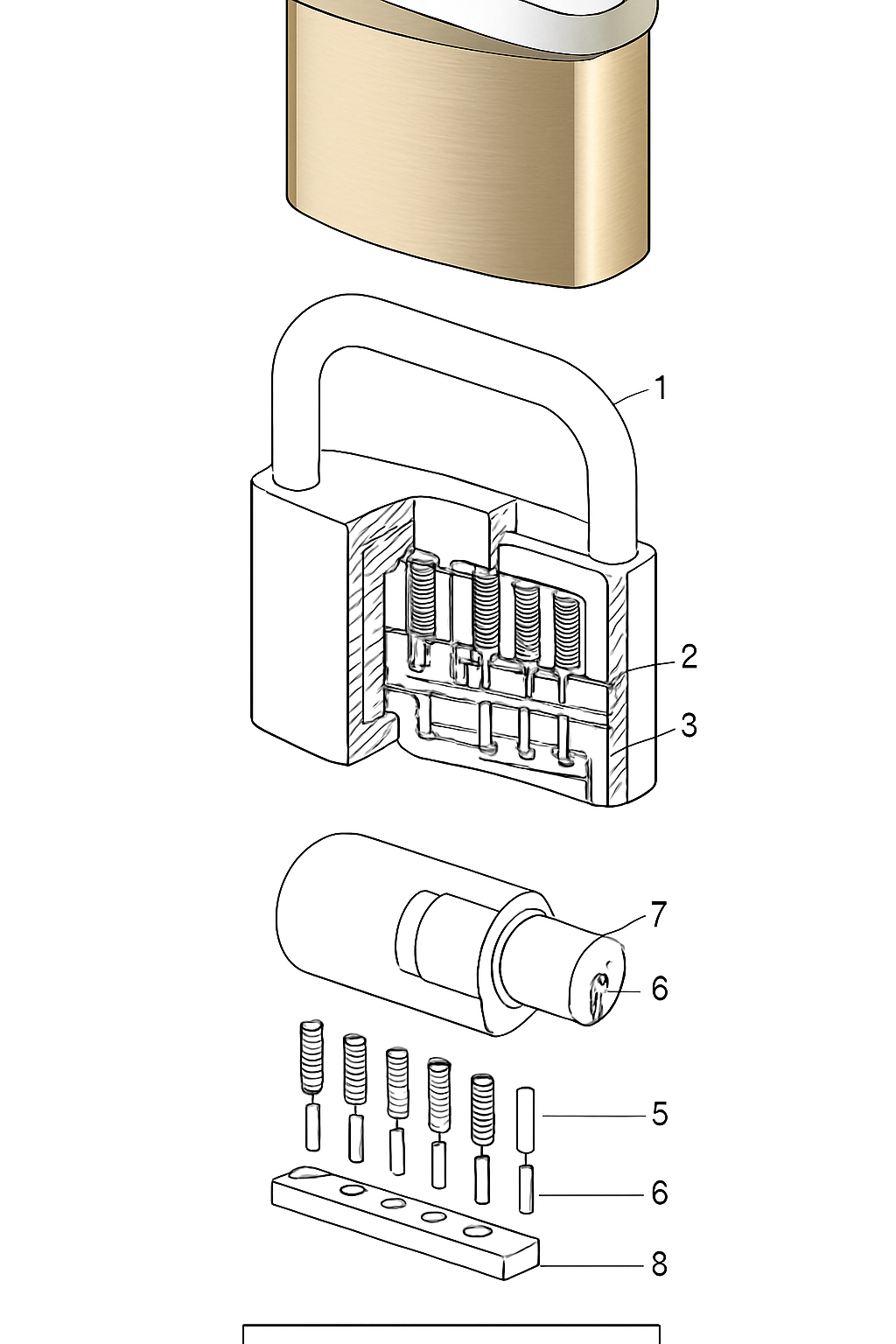

What to expect during the on-site diagnosis and repair process.
The sequence is reproduce, inspect, test, and only then replace or reprogram parts if needed. A technician watches for signal changes while moving the door to locate the precise spot where wiring fails. When a sensor is replaced, the technician will retest the system and, if required, perform any needed reinitialization or relearn procedures.
Scenarios where a locksmith should hand the job to a dealer or specialist.
Modules and immobilizer systems often require manufacturer software and security credentials that locksmiths do not possess. Severe damage or signs of burning wiring indicate underlying hazards and need a controlled repair environment. https://blogfreely.net/slogannljm/immediate-24-hour-locksmith-orlando-for-residence-lockouts A transparent handoff preserves safety and often saves money compared to repeated failed attempts in the field.
Preventive steps and simple upgrades to reduce the chance of future sensor failures.
Regularly inspecting the rubber boot and addressing chafing early avoids the majority of hinge-related wiring failures. A little grease on electrical contacts and sealed connectors keep moisture out for seasons rather than weeks. When your vehicle is older, ask the locksmith about aftermarket heavy-duty sensors or reinforced connector kits that can be fitted at modest cost.
Anecdotes that reveal practical judgment under pressure.
Another time an overzealous well-meaning owner had already replaced three sensors before I found a corroded ground under the sill, and the fix was a two-minute clean and tighten. These small victories show why testing and visual inspection beat part swapping when time is short and stakes are high. Good technicians earn trust by showing their work and standing behind results, and that matters most in urgent repairs.
Your short action plan for emergency sensor problems.
Call a locally reviewed 24 hour locksmith, verify insurance, ask for a clear diagnostic fee, and request credentials on arrival. If you are unsure, wait for the professional rather than prying connectors apart and risking further damage. Accept that emergency service costs a premium but insist on transparent pricing, and ask whether the locksmith stocks OEM or quality aftermarket parts.
A calm, evidence-based approach makes emergency locksmith visits efficient and keeps repair bills reasonable.