If you walked away from your keys and now need a quick, smart recovery plan for your Orlando residence, this article lays out realistic options and trade-offs. My experience on late-night locksmith calls has taught me which immediate fixes scale into long-term security and which ones create new headaches. Below are real-world recommendations for getting back in, shoring vulnerabilities, and planning upgrades with a locksmith near me or an Orlando locksmith.
Turning a lock failure into a chance to strengthen your home security.
A lockout exposes more than inconvenience, it reveals the practical security of your doors and hardware. On emergency calls I track what people do wrong immediately, and those choices often lead to repeat visits and bigger expenses. Treat the event as a prompt to check door alignment, lock condition, and who has copies of your keys.
First actions after the door is open that most people overlook.
Before the locksmith leaves, verify the work and request a quick walkthrough of what they did and why. Non-destructive methods mean cosmetic fixes only, while forced or destructive entry requires cylinder or lockset replacement right away. Check who has keys and whether any copies are unaccounted for; change locks if you cannot account for them. Photographing the lock and door condition can help the locksmith determine whether a more thorough upgrade is required.
How to triage repairs after a lockout.
Replace or rekey the affected lock if you cannot account for key copies, because that eliminates a major unknown. Upgrade weak strike plates and screws before spending on fancy hardware, because long screws and a reinforced plate stop many forced entries. Doors that rub or fail to let the deadbolt extend fully are invitations to lock failure and should be corrected.
Rekeying versus replacement, with real-world trade-offs.
Choose rekeying when the lock functions properly and you just want a new key code to invalidate old copies. Replace hardware when wear, rust, or past damage suggests the lock will fail sooner than a new unit would. Ask the locksmith about restricted keyways if you want to limit who can copy keys and tighten long-term control.
Smart upgrades that make sense after a lockout.
Spend on a deadbolt with at least a one-inch throw and a reputation for durability if you want real resistance to forced entry. Distributing security across the latch, https://locksupportofzr175.cavandoragh.org/mobile-orlando-locksmith-for-home-nighttime-lockouts deadbolt, and frame makes the door substantially harder to defeat with a single strike. Consider a high-quality smart lock only if you understand its failure modes and backdoors, because convenience can introduce new attack surfaces.
Lighting and visibility: small changes with outsized impact.
A motion light over the door or along the walkway cuts down on stealthy attempts and gives you better visibility when you arrive late. Prune hedges, raise low branches, and eliminate dark shrubs that could conceal someone waiting near your entry. A basic door viewer or a low-profile camera gives you the chance to verify who is knocking before you open.
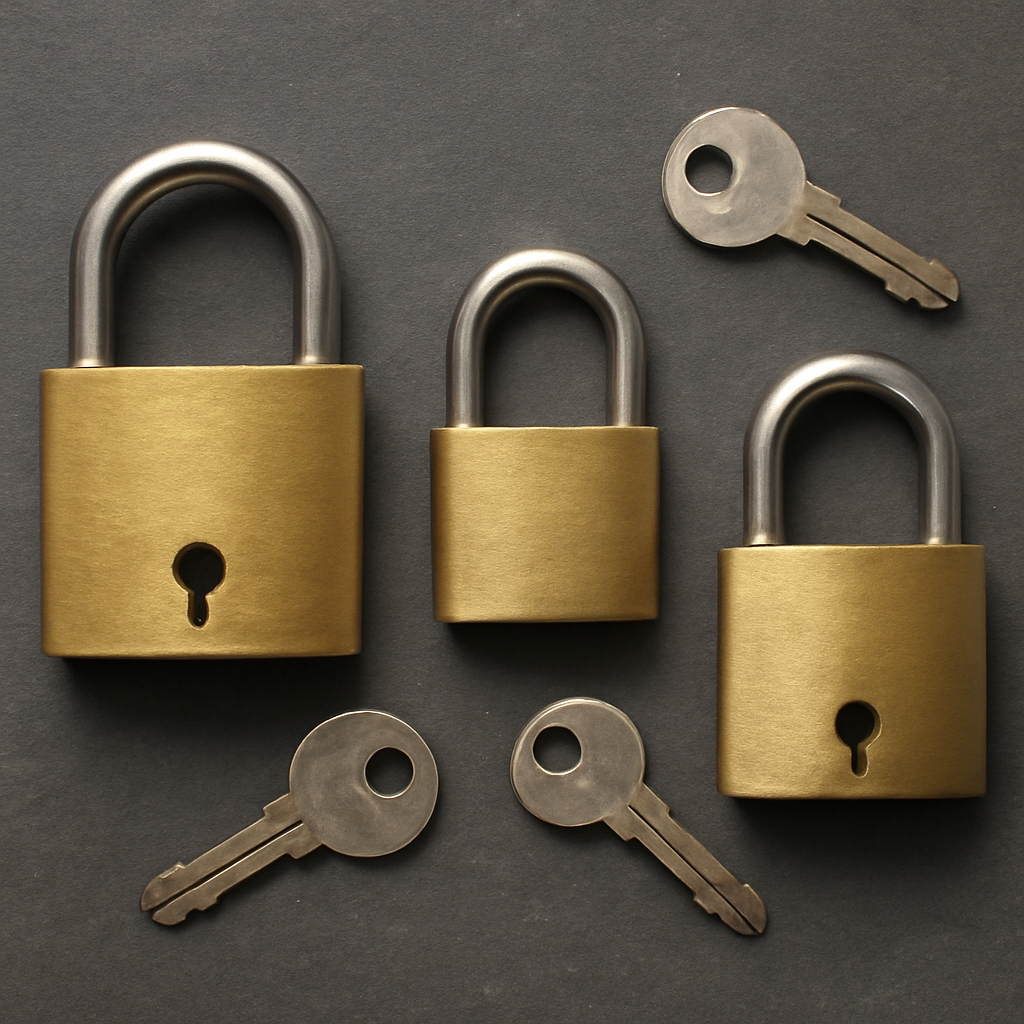
How to vet an emergency locksmith over the phone.
Ask whether they are licensed, insured, and bonded, because these coverages protect you if something goes wrong. Get a time window and a verbal estimate before committing to a service call to avoid sticker shock. Ask about non-destructive entry techniques and whether they will attempt those first, since a professional prioritizes preservation of your hardware.
Assessing risk: stolen keys, forced entry, and suspicious activity.
If you find signs of forced entry or tampering, call the police before calling a locksmith to document the crime scene. A documented theft of keys elevates the risk and warrants a police report plus fast lock changes. If there is no evidence of wrongdoing and you merely lost your keys, a late-night locksmith call is the practical step.
How to plan spending after the shock of a lockout.
Rekeying a single lock tends to be affordable and fast if the tech has the right kit in the van. Budget more for labor when you choose higher-grade hardware and expect the technician to take time on alignment and reinforcement. If you go smart, include battery replacement, occasional troubleshooting, and potential subscription fees in your long-term budget.
Anecdotes from the field: what I have seen after midnight calls.
I once unlocked a condo at 1:30 a.m. And found the tenant had left a spare under a pot, so we rekeyed and installed a small key safe the next day. I drilled out a seized cylinder that had been ignored for months, and the owner replaced the whole lockset to avoid repeat failures. In a rental property the tenant had multiple copies distributed and the owner chose master keying with restricted key blanks to regain control and avoid landlord-tenant disputes.

Final decisions and a practical checklist before you sleep easy.
Resolve the rekey-or-replace question soon after the event so the house no longer depends on chance. Prioritize mechanical reinforcement and alignment first, then add electronics or niceties once the fundamentals hold up. A daytime appointment for upgrades saves money and gets you a more thorough job than a late-night emergency visit.
If you want a quick checklist to hand to a locksmith or to use yourself, write down keyholders, identify visible damage, decide rekey or replace, and prioritize frame reinforcement. If you prefer a tailored list of deadbolts, strike plates, and screw lengths for your door type, give me the door material and I will recommend concrete parts and a rough budget.